treatment of ketosis in cows Ketosis dairy cows cattle
Cows are essential livestock that provide us with milk, meat, and other by-products. However, it is essential to ensure their wellbeing and health to ensure that they produce high-quality milk and meat. One of the common conditions that affect cows is ketosis. Ketosis is a metabolic disorder that is caused by the body’s inability to meet its energy needs. In cows, ketosis usually occurs after calving when there is a sudden increase in energy demand. The cow’s body is not able to metabolize fats correctly, leading to the production of an abnormal amount of ketones. The ketones accumulate in the cow’s body and can cause severe metabolic disturbance, leading to significant health issues. Symptoms of Ketosis in Cows The following are the common symptoms of ketosis in cows: - Loss of appetite - Decreased milk production - Weight loss - Weakness and lethargy - Increased body temperature - An acetone or fruity smell in the breath or milk - Stiffness or reluctance to move - Abnormal behavior such as aggression or depression Prevention and Treatment of Ketosis in Cows Preventing ketosis in cows involves ensuring that they consume a balanced diet that meets their energy needs. During the transition period from late pregnancy to early lactation, cows’ body energy needs increase by up to 50%. Farmers should provide a diet that is rich in energy, such as concentrates, to ensure that the cow meets the increased energy demand. Moreover, farmers should also ensure that the cows are in a stress-free environment. Stress is known to increase the risk of ketosis in cows. Additionally, farmers should manage the cow’s body condition score to avoid excessive body fat deposits, which can lead to ketosis. In case a cow is diagnosed with ketosis, prompt treatment is essential to prevent severe health issues. The treatment usually involves administering glucose to the cow to increase its energy level. Additionally, farmers should increase the cow’s energy intake by providing a concentrated diet. In severe cases, intravenous glucose administration or force-feeding might be necessary. Conclusion Ketosis is a common condition that affects cows, and prompt prevention and treatment are essential to ensure their wellbeing. Farmers should ensure that the cows’ diet meets their energy needs and manage their body fat condition score to prevent ketosis’s occurrence. In case a cow is diagnosed with ketosis, prompt treatment should be administered to prevent severe health issues.
If you are looking for The dangers of ketosis | Ketosis, Liver health, Animal fats you’ve visit to the right place. We have 5 Images about The dangers of ketosis | Ketosis, Liver health, Animal fats like ketosis In Cows, Ketosis in cows - prevention and treatment | Ali Veterinary Wisdom and also » Spring 2019 – On Farm Issues. Read more:
The Dangers Of Ketosis | Ketosis, Liver Health, Animal Fats
 www.pinterest.comketosis dairy cows cattle
» Spring 2019 – On Farm Issues
 cahl.ieketosis spring issues farm fever clinical swing calving milk present standing two
Ketosis In Cows
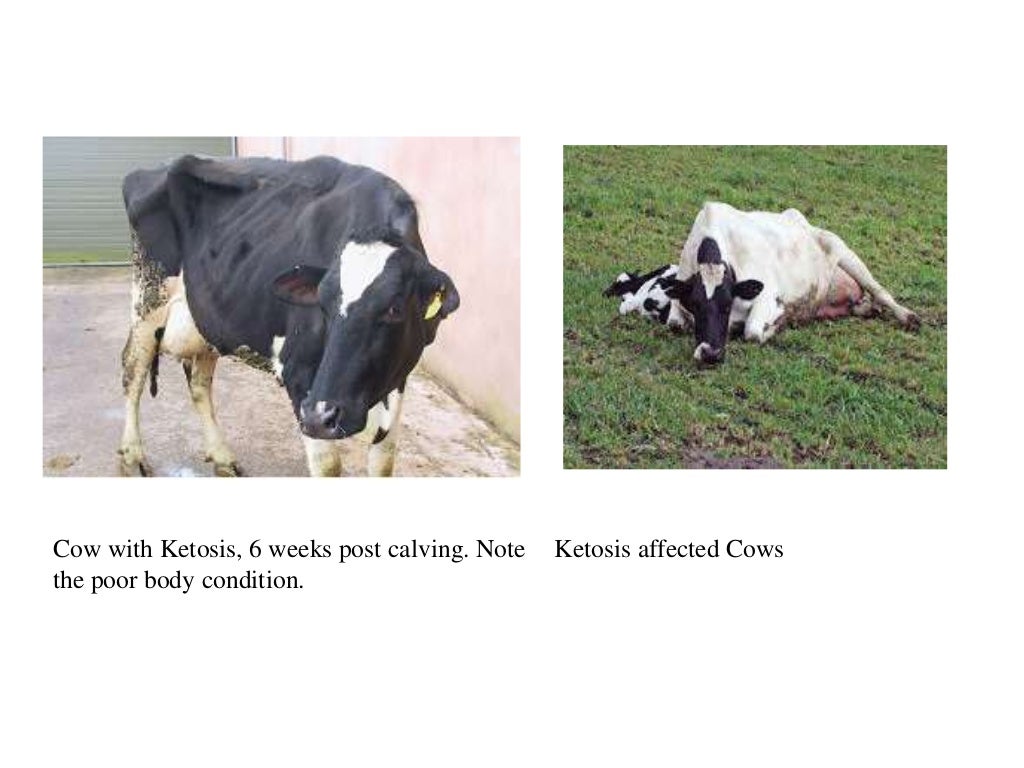 www.slideshare.netKetosis In Cows - Prevention And Treatment | Ali Veterinary Wisdom
 aliveterinarywisdom.comketosis cows
Ketosis A Metabolic Disorder Of Cattle – Veterinary Studio
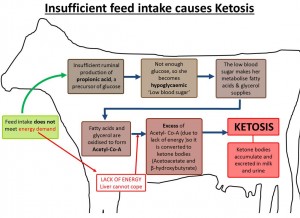 veterinarystudio.wordpress.comketosis metabolic cattle dairy cows hypoglycaemia metabolism diseases lactation acetone disorders caused showing causing
Ketosis spring issues farm fever clinical swing calving milk present standing two. » spring 2019 – on farm issues. Ketosis in cows